The Fenzy BC: The Horse Collar That Changed Scuba
Today, achieving perfect buoyancy underwater feels like magic. With the simple press of a button, modern scuba divers can hover weightlessly over a coral reef, neither sinking to the bottom nor floating to the surface. But there was a time, not too long ago, when scuba diving felt more like an underwater wrestling match with gravity.
If you had taken up scuba diving in the 1950s, the gear you would have worn would have looked drastically different—and vastly more primitive. The transition from an exhausting survival test to the safe, comfortable sport we know today can be largely credited to one French inventor, Maurice Fenzy, and his iconic “horse collar” invention.
The Dark Ages of Scuba: Sink or Swim
Before 1961, diving was a raw and rugged affair. Divers wore thick, highly buoyant neoprene wetsuits and strapped on heavy lead weight belts to counteract them. The problem? As a diver descended, the increasing water pressure compressed the tiny gas bubbles within the neoprene. The deeper the diver went, the thinner the wetsuit became, and the heavier the diver got (a phenomenon known as negative buoyancy).
Without a Buoyancy Compensator Device (BCD) to add air and offset this weight, divers were forced to rely entirely on their lungs and their legs. To keep from sinking, they had to kick constantly or take massive, deep breaths to increase their lung volume. Ascending was just as sketchy; if you needed to get to the surface quickly, you often had to ditch your lead weight belt entirely. Once at the surface, waiting for a boat meant treading water exhaustingly with a heavy steel tank strapped to your back. Simply put, early diving was taxing, and uncontrolled ascents or descents were a deadly risk.
From Coal Mines to the Ocean Blue
Interestingly, the Fenzy name didn’t start in the ocean—it began deep underground. The company was founded in France in 1934 by Eugène Fenzy and his son Maurice. Their expertise lay in industrial safety, specifically designing respiratory protection, gas masks, and closed-circuit rebreathers for toxic environments and mine rescue operations.
Their early work in creating reliable, life-saving breathing gear laid a perfect foundation for a transition to the underwater world. After World War II, the company shifted some of its focus toward specialized underwater applications, catching the eye of naval forces and adventurous underwater pioneers.
The “Horse Collar” Revolution
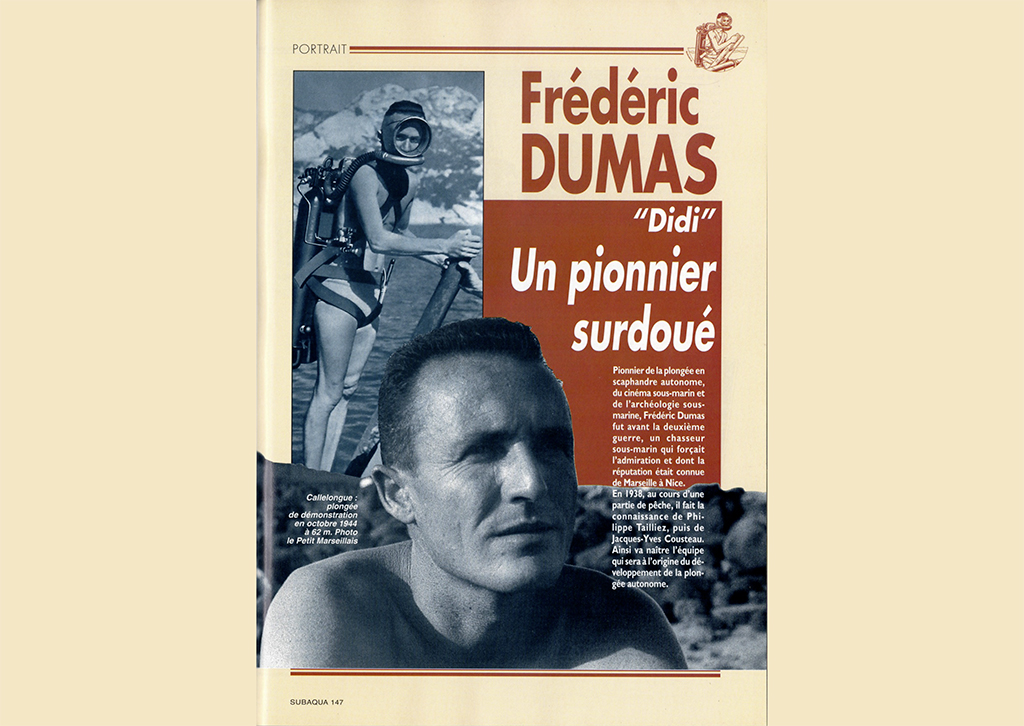
The concept of a buoyancy collar wasn’t entirely Maurice Fenzy’s brainchild. In 1950, diving pioneer Frédéric Dumas—working alongside the legendary Jacques-Yves Cousteau at the French Navy’s Groupe d’Études et de Recherches Sous-marines (GERS)—cobbled together a rudimentary “blown-up collar buoy” as a safety mechanism.
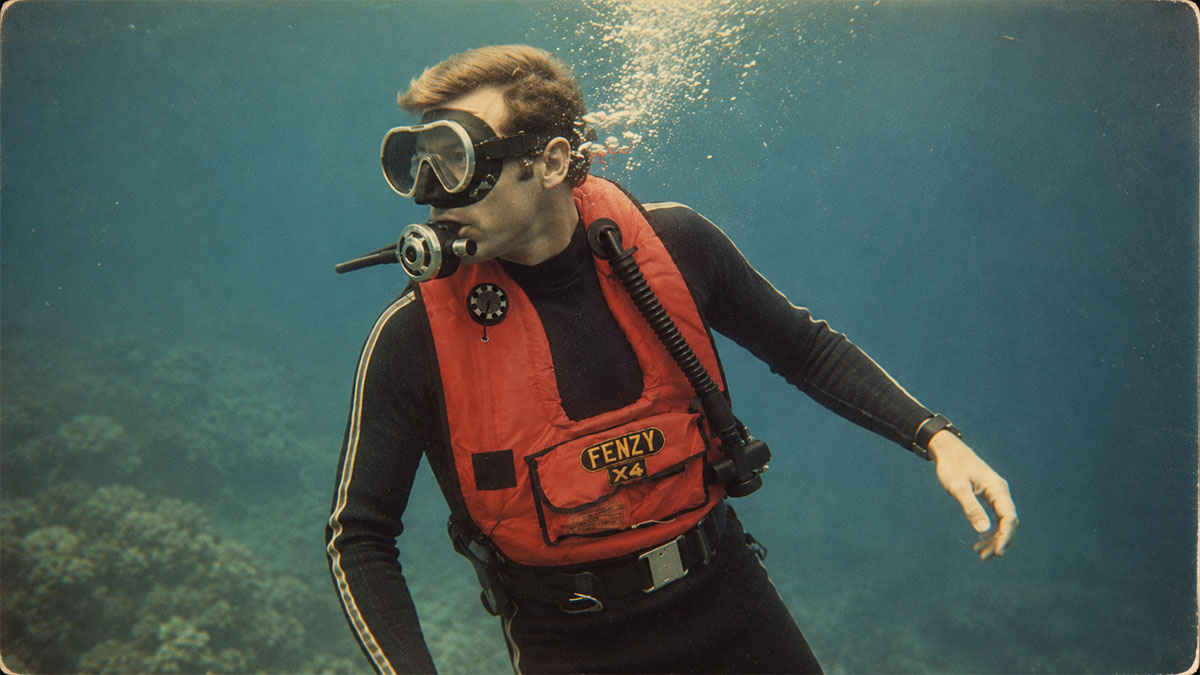
However, it was Maurice Fenzy who refined this concept into a commercial reality. In 1961, he officially patented and introduced the Adjustable Buoyancy Life Jacket (ABLJ). Due to its distinct shape, which slipped over the diver’s head and rested on the chest, it was universally nicknamed the “horse collar”. Often manufactured in a highly visible, bright yellow material with black hoses, it looked like a cross between an airplane life vest and a padded bib.
How to Fly a Fenzy
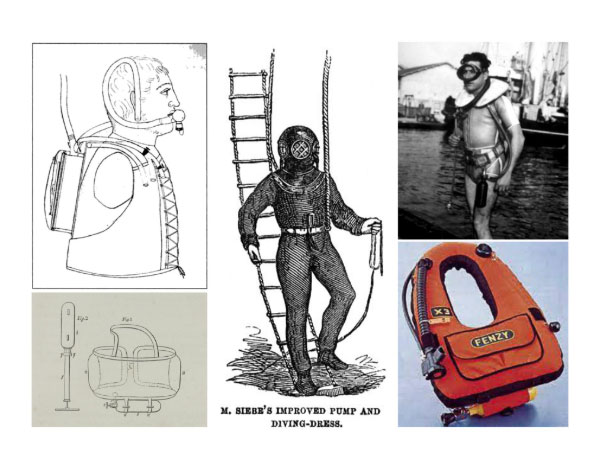
Operating an early Fenzy ABLJ was a very hands-on experience. Divers wore it over their wetsuit, strapping it down with a crotch strap to prevent the buoyant collar from floating up around their ears when inflated. As one veteran diver humorously recalled, if that crotch strap was pulled too tight, inflating the jacket made it “both a pain in the neck and a pain in the arse simultaneously”.
To inflate the jacket underwater, early versions required the diver to orally inflate it by physically blowing into a mouthpiece. Thankfully, Maurice Fenzy soon equipped the ABLJ with its own independent, high-pressure compressed air cylinder mounted right on the front of the jacket. A quick twist of the valve shot air into the bladder, giving the diver immediate lift.
Perhaps the most ingenious feature of the Fenzy was its dual purpose as an emergency air supply. If a diver completely ran out of breathing gas in their main scuba tank, they could dump their weights, stick their finger into the Fenzy’s exhaust valve, and literally breathe the remaining air out of the jacket’s sac while ascending to the safety of the surface. It wasn’t just a buoyancy tool; it was a wearable life raft.
A Game Changer for Underwater Safety
The introduction of the Fenzy ABLJ completely transformed scuba diving. The sheer panic of uncontrolled ascents or getting stuck on the bottom was mitigated, as divers could now add or vent air at will to maintain neutral buoyancy. Surface rests changed from a frantic kicking exercise into a relaxing lounge; you simply inflated your Fenzy, rolled onto your back, and floated comfortably with your head completely out of the water.
The Fenzy became a mandatory piece of gear for any serious diver. In Europe, the brand dominated the market so thoroughly that “Fenzy” became a proprietary eponym. Just as people use “Kleenex” to refer to a tissue, European divers didn’t say they were putting on a buoyancy compensator—they simply said they were “wearing a Fenzy.”
The Transition to Modern Diving
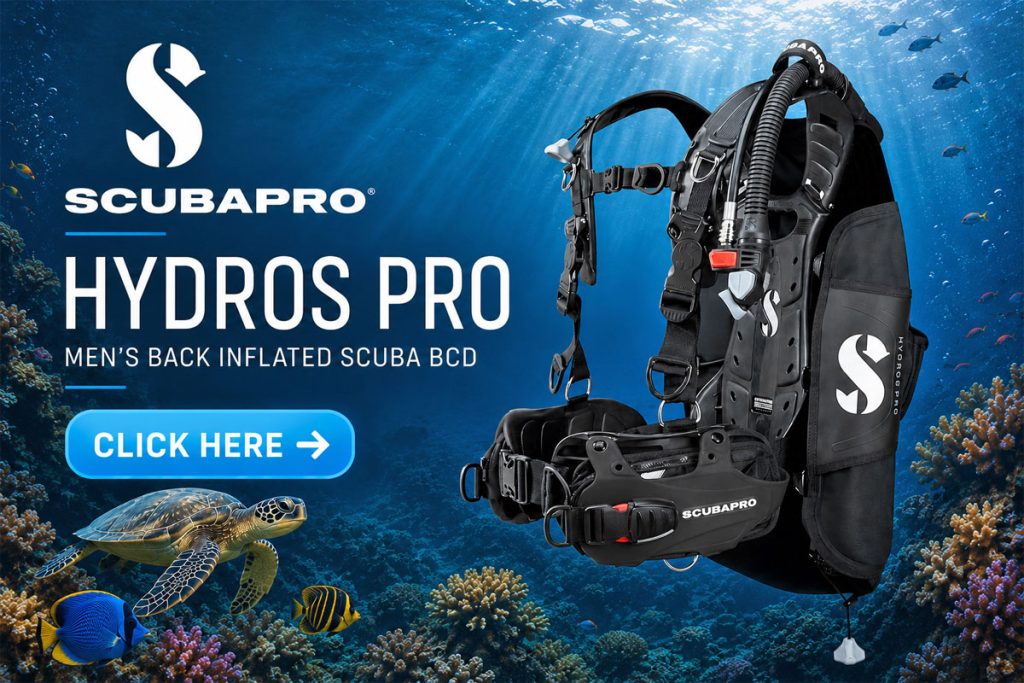
While the horse collar was a massive leap forward, it had its ergonomic flaws. The large volume of air concentrated around the diver’s neck could be restrictive and uncomfortable. Furthermore, while an inflated ABLJ safely floated an unconscious diver face-up on the surface, it tended to make divers float chest-high underwater rather than holding a flat, horizontal swimming position.
By the early 1970s, the dive industry started evolving. In 1971, Scubapro released the “Stabilizer Jacket” (or Stab Jacket), which wrapped the air bladder around the diver’s back and sides, offering better underwater trim and eliminating the need for a crotch strap. Following this industry shift, the iconic Fenzy company was acquired in 1976 by La Spirotechnique, the legendary French equipment manufacturer and predecessor to today’s Aqualung Group. This merger perfectly paired Fenzy’s buoyancy innovations with La Spirotechnique’s elite regulator designs.
The Lasting Legacy of Maurice Fenzy
Ultimately, the corporate remnants of Fenzy returned to their industrial roots, with the brand’s industrial breathing apparatus division being acquired by Honeywell. However, in the diving community, the Fenzy name is etched in stone.
Maurice Fenzy took a gritty, physically punishing military activity and gave it the gift of weightlessness. Without his bright yellow horse collar paving the way, the safe, accessible recreational sport of scuba diving that millions enjoy today would simply not exist. Next time you deflate your modern BCD and gracefully descend toward a reef, take a moment to tip your fins to the French inventor who taught the world how to fly underwater.