The Silent Threat: Why “Ghost Farms” Are Haunting Our Oceans
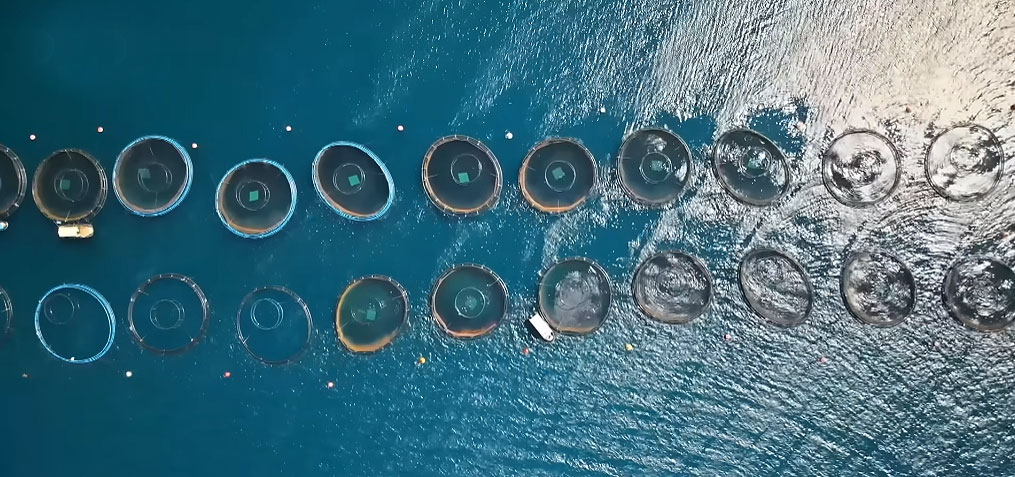
If you look out over the sparkling, crystal-clear waters of the Greek coast, you might notice a few large, plastic rings floating on the surface. From afar, they don’t look like much. But beneath the waves lies a massive, rotting secret that is quietly choking our oceans: “ghost farms.”
What is a Ghost Farm?
A ghost farm is an abandoned industrial fish farm. For years, these massive offshore facilities breed fish like sea bass and sea bream for global consumption. However, when the operating companies face licensing issues or go bankrupt, they often take the easy way out. Instead of dismantling their expensive, massive infrastructure, they simply walk away.
What they leave behind is an environmental disaster. The floating rings are just the tip of the iceberg; beneath them are heavy-duty nets stretching up to 40 meters (130 feet) deep, anchored to the sea floor by heavy chains, tubes, and colossal styrofoam buoys.
A Toxic Legacy
Once abandoned, nature takes over—with deadly consequences. The massive nets begin to tangle, trapping and killing local wildlife. This dead marine life attracts more fish, creating a continuous, deadly cycle that can last for decades.
Worse still is the breakdown of the materials. The giant styrofoam buoys keeping the cages afloat eventually crack. When they do, they release millions of tiny styrofoam beads into the ocean. To fish and seabirds, these white specks look exactly like food. The microplastics enter the food chain, ultimately ending up on our plates. Local activists in Greece have found local coastlines completely littered with chunks of this foam, proving that a single abandoned farm can pollute miles of shoreline.
The Dangerous Cleanup
Cleaning up a ghost farm is not as simple as scooping trash out of the water. It is a highly dangerous, grueling process that falls largely on the shoulders of environmental NGOs like Healthy Seas and Ozon.
First, specialized divers must navigate a treacherous underwater maze of rotting nets and sunken metal to untangle the mess. They attach inflatable balloons to the heavy debris to float it to the surface. From there, massive marine cleanup vessels equipped with cranes hoist the debris out of the water, where crews use chainsaws to break down the plastic. A single farm can take weeks of labor and cost well over $100,000 to remove.
The Absurd Legal Hurdles
You might think the governments and companies involved would be grateful for this free cleanup. Ironically, the opposite is often true.
Even though companies are legally supposed to put down a deposit to cover potential cleanups, governments rarely enforce this efficiently. Shockingly, NGOs have even been sued by the original, absentee owners of these farms for “damaging” or “stealing” their abandoned equipment—even when the cleanup was officially authorized by the government.
Looking Forward
This isn’t just a Greek problem; ghost farms are piling up globally in major aquaculture hubs like Chile and Canada. As the demand for farmed fish grows, governments are planning to expand aquaculture zones even further.
There are glimmers of hope. In Chile, styrofoam buoys are being banned in favor of biodegradable alternatives, like floats made from mushroom mycelium. But until stricter laws hold corporations financially and legally accountable for their messes, volunteer divers and NGOs will be left to fight a rising tide of plastic, one ghost farm at a time.