Over 700 Marine Animals Rescued in Argentina Wildlife Bust
For many, a tropical saltwater aquarium is a beautiful addition to a home. However, the journey those marine animals take to get to the pet store is often hidden from view. A recent seizure in Argentina has shed light on the complex and often harmful reality of the global ornamental pet trade.
In what conservationists are calling a major wildlife bust, Argentine authorities recently intercepted more than 700 marine animals trafficked across the globe from Kenya.
Here is a closer look at how the interception unfolded, the massive rescue effort that followed, and what it tells us about the growing illegal wildlife trade.
A Coordinated Interception at Ezeiza Airport
The seizure took place on April 26 at Ezeiza International Airport, located just outside of Buenos Aires. The operation required high-level coordination among multiple organizations, including Argentina’s Environmental Control Brigade, customs officials, the agricultural health agency, the International Fund for Animal Welfare (IFAW), and the wildlife rehabilitation group Fundación Temaikèn.
Authorities discovered a massive shipment of tropical marine fish and invertebrates—species highly sought after by private collectors and aquarium enthusiasts. The intercepted cargo included:
- Surgeonfish and butterflyfish
- Puffer fish and lionfish
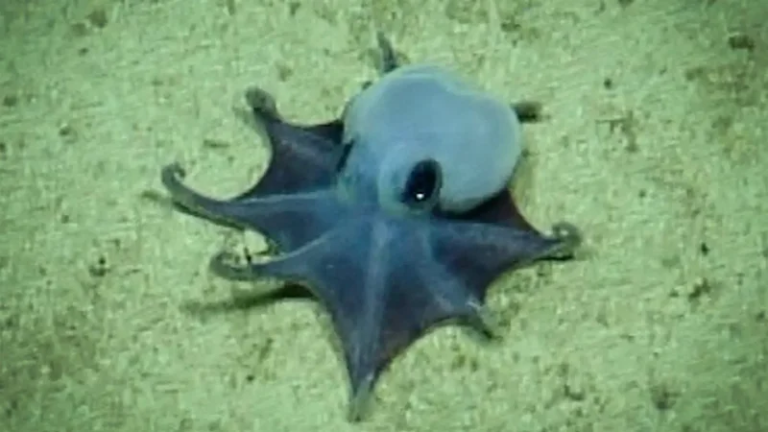
- Octopuses, crabs, and starfish
A Race Against Time for Surviving Wildlife
The logistics of moving hundreds of marine animals across the world are daunting, and the toll on the wildlife is heavy. By the time the shipment was intercepted, the animals had been in transit for over 120 hours, packed individually in hundreds of plastic bags.
Sadly, many of the animals did not survive the journey. Those that did were suffering from severe stress and physiological shock.
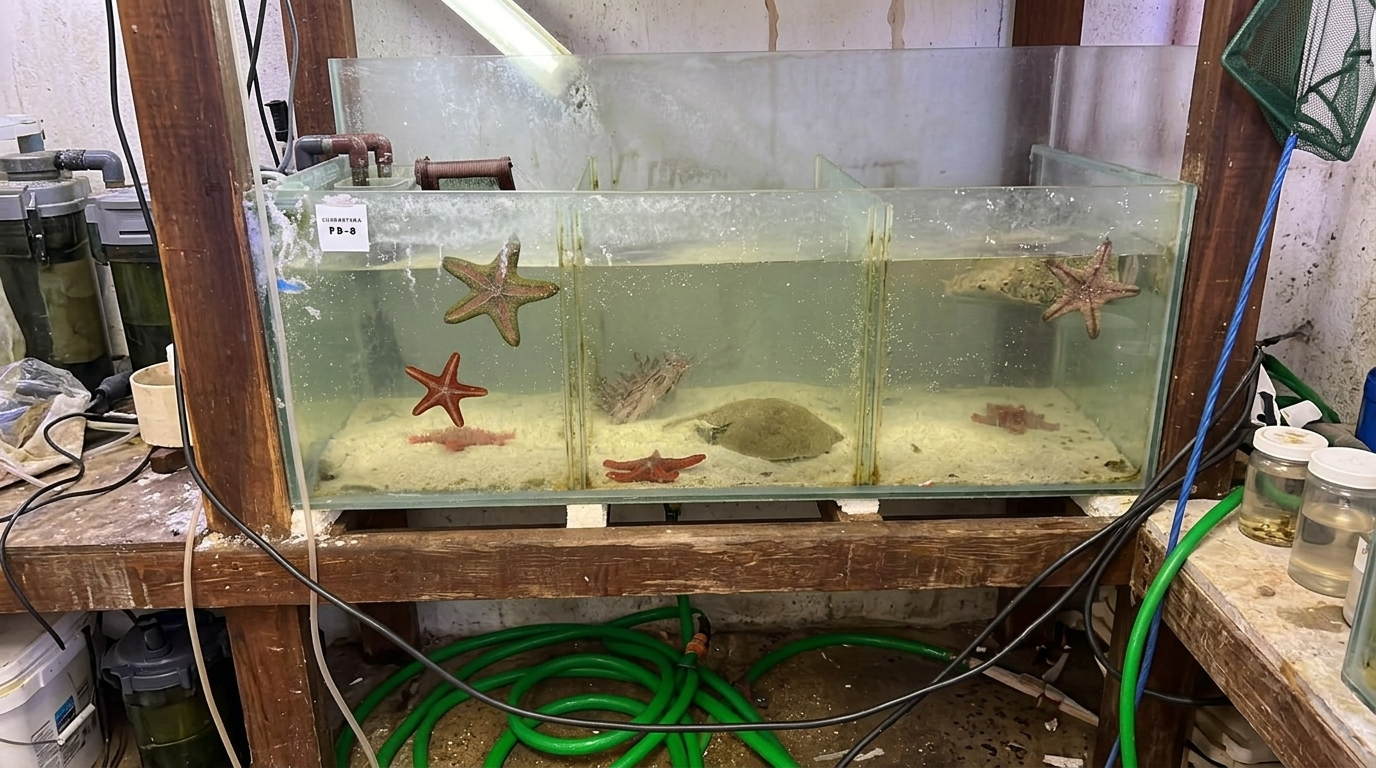
To save the surviving wildlife, Fundación Temaikèn—the only facility in Argentina equipped to handle a marine confiscation of this scale—launched an emergency rescue operation at its center north of Buenos Aires.
Veterinarians and wildlife specialists worked around the clock for over 28 hours. The rescue team rapidly adapted their facilities, installing 10 new tanks complete with the heating, filtration, and water-conditioning systems required for tropical species. Because the animals were packed in small bags for days, rescue workers had to perform careful drip acclimation procedures. This slow process gradually adjusts the animals to new water conditions, minimizing the shock caused by sudden changes in temperature and salinity.
The Broader Issue: An “Industrialized Crime”
While this rescue is a success for the surviving animals, experts warn that it points to a much larger issue. The global trade in ornamental marine species is growing alongside the demand for exotic home aquariums. This trade often involves removing animals directly from fragile reef ecosystems, exposing them to high mortality rates during capture and transport.
Christian Plowman from IFAW highlighted the organized nature of the operation, referring to it as an “industrialized crime.” Moving over 700 animals comprising 102 different species across international cargo routes requires extensive coordination.
Notably, this is the third marine wildlife seizure made by Argentine authorities at this specific entry point in just one year. According to wildlife trafficking experts, this pattern indicates an established commercial smuggling route. Intercepting these shipments provides valuable intelligence to authorities about how and where these trafficking networks operate.
What Happens Next?
The surviving marine animals are currently recovering under specialized care at Fundación Temaikèn while Argentine authorities decide their long-term placement. An investigation is ongoing to determine who orchestrated the shipment.
For consumers, this bust serves as a powerful reminder to ask questions. If you are an aquarium enthusiast, it is crucial to research where your fish and invertebrates come from. By ensuring your pets are ethically and sustainably sourced, you can help reduce the demand that fuels the illegal wildlife trade and protect fragile marine ecosystems around the world.